



Delivery Mode
100% online
Course Type
Master's Degree
Duration
12 months
Pathway into professional psychology for non-psychology graduates
The programme is designed for graduates who do not originally hold a psychology degree, providing the core psychology domains and research training needed to move towards professional routes in psychology.
Strong focus on research skills and independent project
Students learn both quantitative and qualitative research methods and then apply them in a supervised independent research project, building skills in study design, data analysis and reporting.
Flexible and supportive learning with recorded classes and e-resources
Online classes are recorded for replay, and students have access to comprehensive digital learning platforms and an e-library, including paid academic databases, supporting flexible, self-paced study.
Case-based, applied and inclusive approach to human behaviour
Many modules explicitly link psychological theory and methods to real-world contexts (e.g. growth and change, social interactions, extraordinary minds), helping students connect learning to diverse populations and practical scenarios.
Coverage of all core BPS-style psychology areas
Modules systematically cover biological, cognitive, social, developmental psychology, individual differences, and research methods (quantitative and qualitative), giving a broad and balanced foundation in contemporary psychology.
100% coursework assessment (no written exams)
Each module is assessed by coursework such as assignments or project work, which reduces exam stress and encourages deeper engagement with theory, evidence and applied understanding.
Development of broadly useful transferable skills
Through modules and assessments, students develop critical thinking, communication, data handling and research skills that are valuable not only in psychology but also in wider sectors such as education, health, HR and business.
Modules
Each module is assessed by an assignment or project, and credits are shown.
-
Introduction to Psychology (15 credits)
-
Brain and Behaviour: Biological Psychology (15 credits)
-
Social Psychology: Interactions and Influences (15 credits)
-
Personality and Psychometrics (15 credits)
-
Understanding Growth and Change: Developmental Psychology (15 credits)
-
Ordinary and Extraordinary Minds: Cognitive Psychology (15 credits)
-
Measuring Minds: Exploring Quantitative Research (15 credits)
-
Beyond Numbers: Exploring Qualitative Research (15 credits)
-
Research Project (60 credits)

.png)
.png)
University of Sunderland
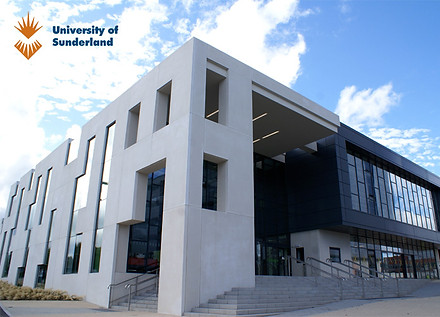
The University of Sunderland is a UK public university with over 100 years of history, known for combining academic tradition with practical, career‑focused teaching.
01
Long-established UK public university
A century-long history as a recognised UK public institution gives strong credibility and stability. Students can rely on its solid academic standards and trusted reputation.
02
Strong performance in national rankings
The University of Sunderland ranks 27th in the Guardian University Guide 2026, placing it among the stronger universities in the UK. This ranking reflects good results in teaching quality, student satisfaction and graduate outcomes.
03
Career-focused, practice-based learning
Programmes are designed around real industry needs, with a clear focus on employability. Students develop practical skills and experience that support internships, job hunting and long-term career progression.
英國新特蘭大學
University of Sunderland
Entry Requirements
-
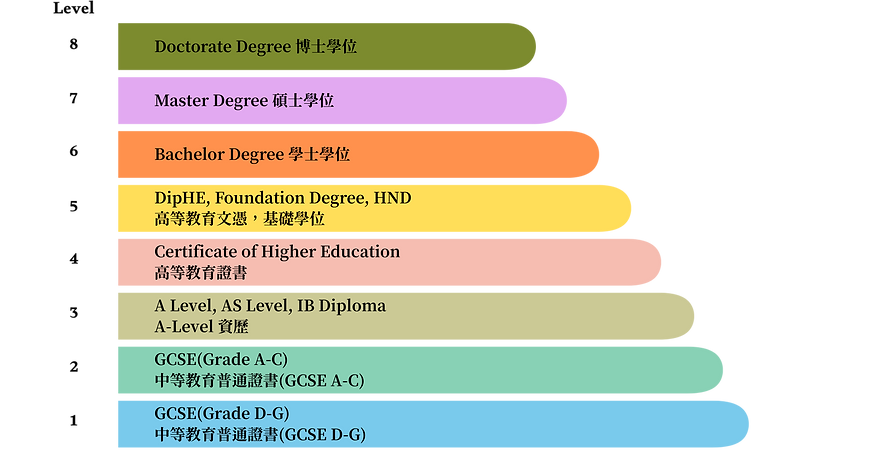
An honours degree (2:2 or above / lower second class level); OR
-
Professional qualification(s) or combination of qualifications recognised as being the equivalent of an honours degree; OR
-
Applicants who do not meet the above requirements may exceptionally be considered (normally following an interview) at the discretion of the programme leader.


+852 2117 0013